Edit an image
Set up the checkpoints and environment, then run this command from the PhyAI repository root. Use a new or empty output directory.Read the output
Openoutputs/u0-stoneware/image.png to view the edit. The example writes the usual generation files and saves the reference grid to reference_codes.npy. Both input_ids.npy and unconditional_ids.npy include the reference image. Only the conditional prompt contains the editing instruction.
Use --prepare-only with --reference-image to save the reference codes and prompt tokens before autoregressive generation. This mode uses the vision encoder and requires --vision-tokenizer-dir.
Thor example
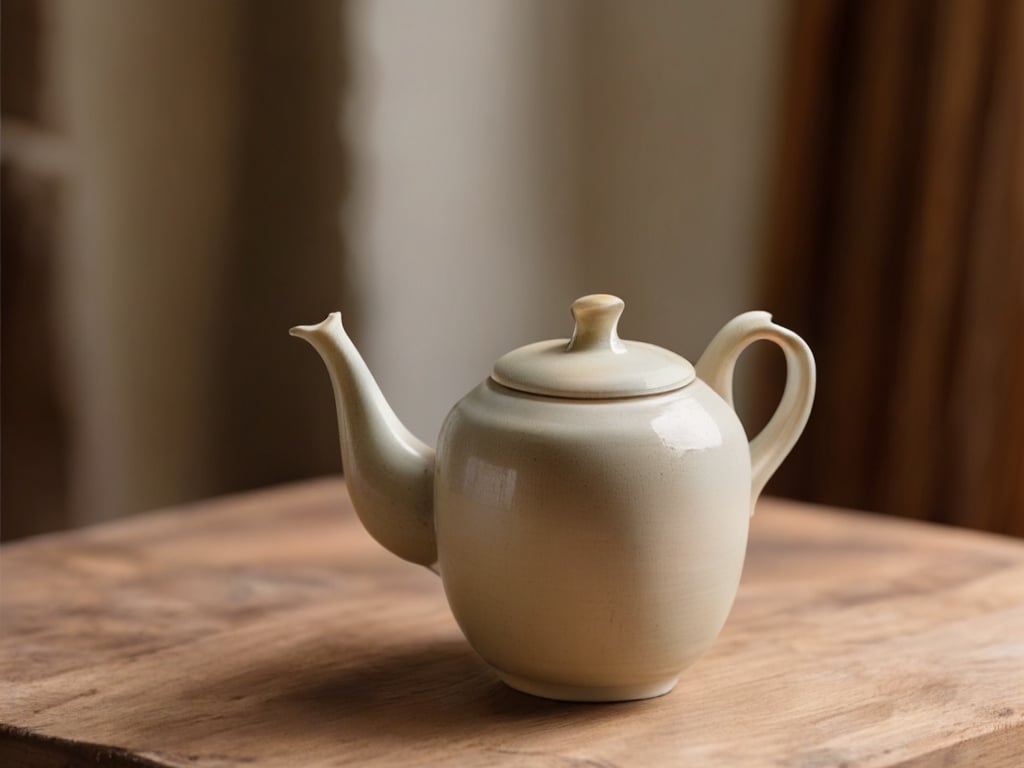
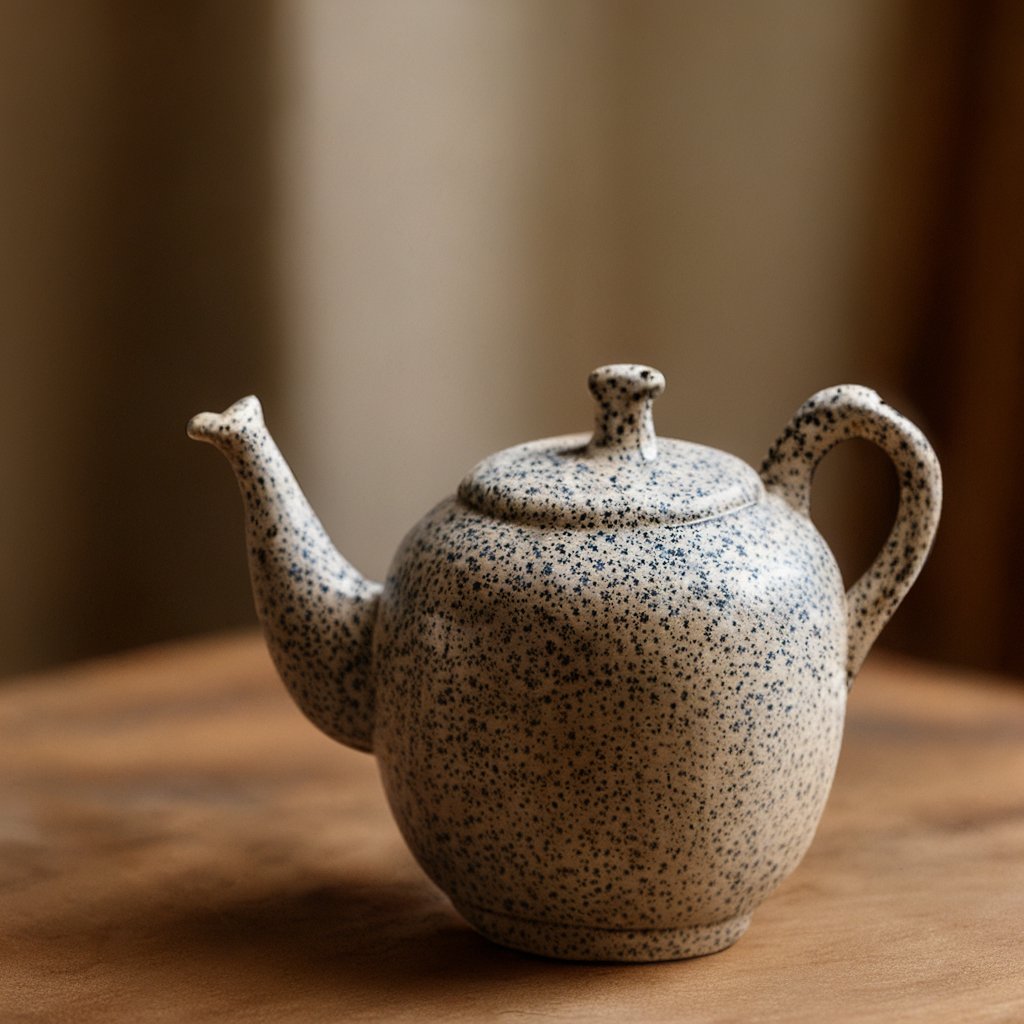
The 1024 × 768 reference encoded to a 55 × 74 code grid. The edit adds speckling to the glaze and keeps the teapot and wooden table. The square result frames the teapot more tightly.| Reference | Edited result |
|---|---|
 |  |